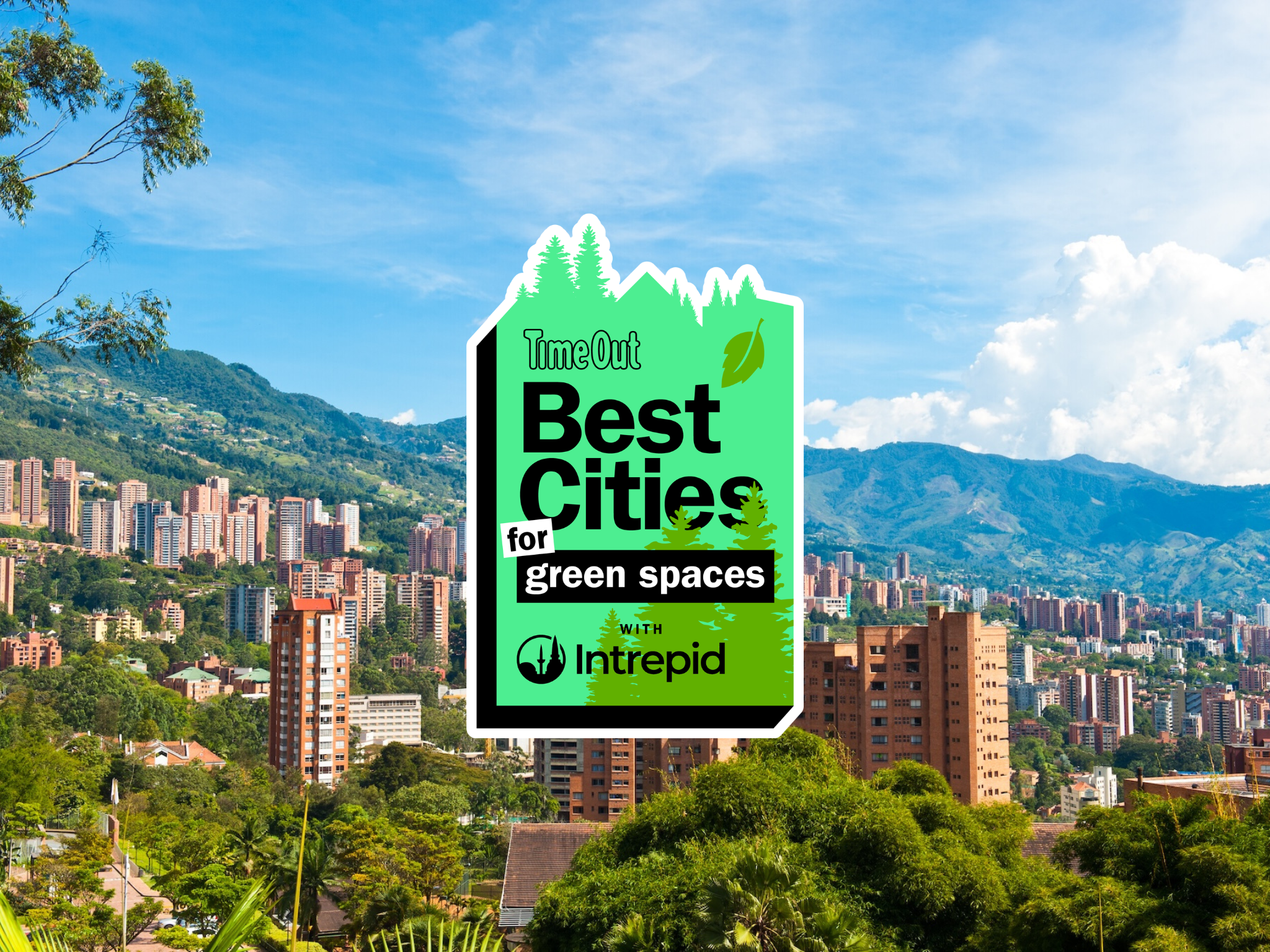
As urbanization continues to grow, the importance of green spaces and natural environments within cities has become increasingly vital for residents' well-being and environmental sustainability. In 2026, several cities around the globe have distinguished themselves by offering exceptional access to parks, forests, and other natural attractions, making them ideal places for outdoor activities and relaxation.
Leading the list is Vienna, renowned for its extensive park systems and commitment to green urban planning. The city boasts over 50% of its land dedicated to parks, gardens, and recreational areas, providing residents with ample opportunities for outdoor recreation. Vienna's innovative urban design integrates nature into daily life, promoting sustainability and quality of life.
Close behind is Vancouver, which is celebrated for its breathtaking natural scenery and well-preserved green spaces. The city combines urban living with access to mountains, forests, and beaches, offering a diverse range of outdoor activities such as hiking, biking, and kayaking. Vancouver's dedication to environmental conservation has earned it a top spot among eco-friendly cities.
Singapore continues to impress with its 'Garden City' vision, featuring lush parks, rooftop gardens, and vertical greenery that enhance urban aesthetics and air quality. The city's extensive network of parks, including the famous Gardens by the Bay, provides residents and visitors with serene natural retreats amidst the bustling cityscape.
Other notable cities include Melbourne, known for its vibrant street art and expansive parklands; Copenhagen, which emphasizes sustainable urban development and bicycle-friendly green spaces; and Seattle, offering a mix of urban parks and access to the surrounding wilderness.
These cities exemplify how urban environments can harmonize development with nature, ensuring residents have access to natural retreats that improve mental health, promote physical activity, and support ecological sustainability. As cities continue to prioritize green initiatives, these locations set the standard for integrating nature into urban life in 2026 and beyond.